
F1 stakeholders agree on next engine rules cycle for 2030
2 sources • 1 min read • Latest: Sep 23, 2026, 10:12 AM
Last updated Sep 23, 2026
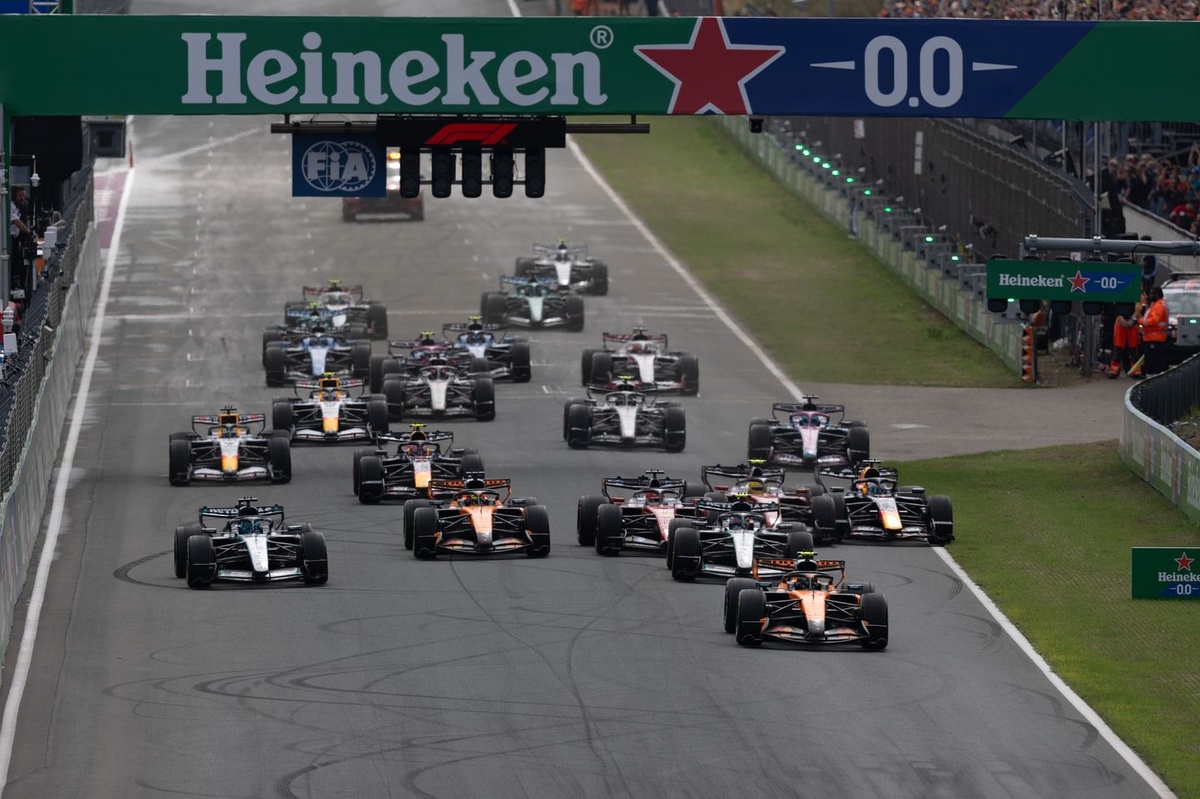
Formula 1 stakeholders have finalized the main elements of the engine regulations set to take effect in 2030. The FIA and F1 engine manufacturers ruled out a naturally aspirated engine in light of noise restrictions at street circuits. The new guidelines will include a smaller and simplified electronics package. Additionally, a push-to-pass overtake mode is under consideration, potentially debuting in upcoming seasons. These decisions aim to enhance the racing experience while addressing current technical challenges.
- •FIA and engine manufacturers reach agreement on engine rules.
- •Naturally aspirated engines are excluded due to noise concerns.
- •New rules feature a simplified electronics package.
- •Push-to-pass overtake mode is being considered for future use.
- 10:12 AMMotorsport.com — First details of future F1 engine rules revealed
- 10:12 AMYahoo Sports — First details of future F1 engine rules revealed
- 10:12 AMAutosport — The initial plan for F1's next engine regulation in 2030
"Formula 1 stakeholders have reached an agreement on the main elements of the next engine rules cycle. The FIA and F1 engine manufacturers have opted against a naturally aspirated option, partly because of noise restrictions at street circuits, with a smaller and simplified electronics package. A push-to-pass overtake mode is also under consideration, along with a possible debut in ...Keep reading
"Formula 1 stakeholders have reached an agreement on the main elements of the next engine rules cycle. The FIA and F1 engine manufacturers have opted against a naturally aspirated option, partly because of noise restrictions at street circuits, with a smaller and simplified electronics package. A push-to-pass overtake mode is also under consideration, along with a possible debut in ...Keep reading
"The initial plan for F1’s next engine regulations have been revealed: 3.0-litre V8 turbo, with a smaller electrical motor and 50kg lighter
Sources
External links- Motorsport.comSep 23, 2026, 10:12 AMFirst details of future F1 engine rules revealed
Formula 1 stakeholders have reached an agreement on the main elements of the next engine rules cycle. The FIA and F1 engine manufacturers have opted against a naturally aspirated option, partly because of noise restrictions at street circuits, with a smaller and simplified electronics package. A push-to-pass overtake mode is also under consideration, along with a possible debut in ...Keep reading
- Yahoo SportsSep 23, 2026, 10:12 AMFirst details of future F1 engine rules revealed
The initial plan for F1’s next engine regulations have been revealed: 3.0-litre V8 turbo, with a smaller electrical motor and 50kg lighter
- AutosportSep 23, 2026, 10:12 AMThe initial plan for F1's next engine regulation in 2030
Formula 1 stakeholders have reached an agreement on the main elements of the next engine rules cycle. The FIA and F1 engine manufacturers have opted against a naturally aspirated option, partly because of noise restrictions at street circuits, with a smaller and simplified electronics package. A push-to-pass overtake mode is also under consideration, along with a possible debut in ...Keep reading
Original reporting and copyright belong to the linked sources. SportsNewsReport.com aggregates and links — it does not republish full articles.
Related Stories
Last 14 days F1•Sep 23, 2026, 10:45 AMFernando Alonso explains future talks as F1's greatest circuits "killed" by 2026 rules
 F1•Sep 23, 2026, 10:39 AMRed Bull officially locks in Verstappen’s team-mate for the 2027 season
 F1•Sep 23, 2026, 10:19 AM"Free agent" Ocon talking to other teams with Haas yet to confirm F1 2027 line-up
 F1•Sep 23, 2026, 10:16 AMKimi Antonelli shows "zero sign" of championship pressure as Jolyon Palmer hails 2026 turnaround
 F1•Sep 23, 2026, 9:26 AMWhat would you like to ask Emerson Fittipaldi?
 F1•Sep 23, 2026, 8:45 AMTop five roles on Motorsport Jobs this week